🥾 10 Best Hiking Trails in Korea (2026)
10 best Korean hiking trails for 2026 — Hallasan, Bukhansan, Seoraksan and more. Difficulty levels, trail times, and seasonal tips for each peak.
1
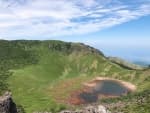
Hallasan
Jeju
South Korea's highest peak at 1,950 m, Hallasan is a dormant shield volcano with a summit crater lake (Baengnokdam). The Seongpanak trail (9.6 km one way) is the most popular route. Spring azaleas and autumn foliage paint the mountain in vivid colors. Advance reservation required for summit trails.
2
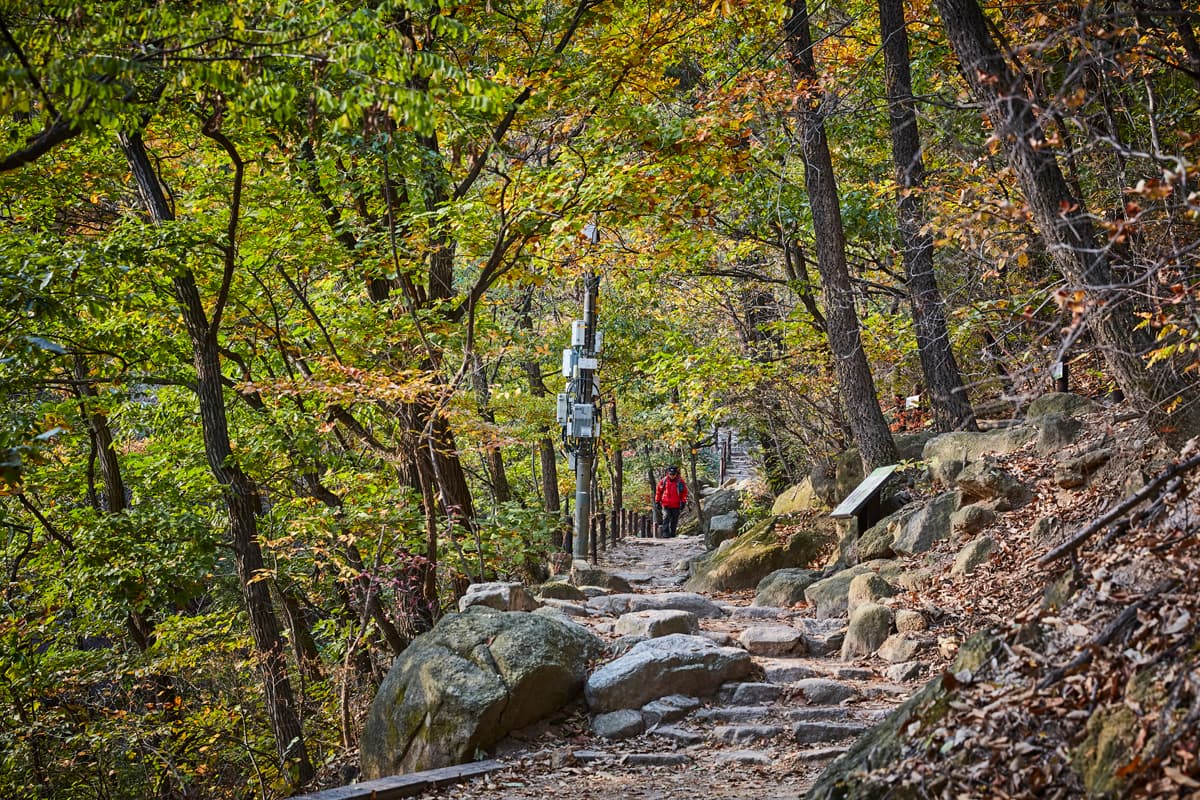
Bukhansan
Seoul
Korea's most visited national park is within Seoul city limits, drawing 5 million hikers annually. The granite peak Baegundae (836 m) offers panoramic city views. Multiple trail options from easy valley walks to thrilling ridge scrambles. Accessible by subway (lines 3 and 4).
3
Seoraksan
Sokcho
Korea's most dramatically beautiful mountain with jagged granite peaks, deep valleys, and the iconic Ulsanbawi Rock (6 peaks). The Daecheongbong summit (1,708 m) is the highest in the Taebaek range. The cable car to Gwongeumseong fortress is great for non-hikers. Peak autumn color usually hits mid-October.
4
Jirisan
Hadong/Gurye
Korea's first designated national park and the largest mountain park on the mainland. The ridge traverse from Nogodan to Cheonwangbong (1,915 m) is a legendary multi-day hike. Mountain shelters along the ridge require advance booking. Known for cloud seas at dawn and wild Asian black bears.
5
Mudeungsan
Gwangju
Gwangju's beloved mountain featuring the unique Seoseok-dae columnar rock formations at the summit. Gentle trails make it accessible for all fitness levels. The tea plantations on the slopes produce Gwangju's famous Chunhyang tea. Important historical site connected to the May 18 Democracy Movement.
6
Naejangsan
Jeongeup
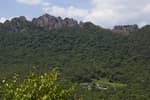
Korea's autumn foliage capital — the tunnel of maple trees along the main path turns brilliant red in late October to early November. The cable car ride provides sweeping views of the painted mountainside. Relatively easy trails make it perfect for casual hikers seeking peak fall colors.
7
Dobongsan
Seoul
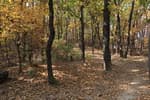
Part of Bukhansan National Park but with its own distinct character, Dobongsan (739 m) has challenging rocky ridges and rewarding summit views. Less crowded than neighboring Bukhansan. The Mangwolsa temple at the base is a peaceful starting point. Accessible from Dobongsan subway station.
8
Inwangsan
Seoul
A compact but scenic hike (338 m) along the old Seoul Fortress Wall with panoramic views of the city skyline, Gyeongbokgung Palace, and N Seoul Tower. The Guksadang shaman shrine and Seonbawi Rock add cultural depth. Can be combined with Bugaksan for a longer wall-walking route.
9
Chiaksan
Wonju
A rugged mountain known for steep trails and dramatic rocky peaks. The Birobong summit (1,288 m) trail is challenging but rewarding with views stretching across Gangwon Province. The Guryong Valley at the base has beautiful waterfalls and swimming holes in summer.
10
Gayasan
Hapcheon
Home to Haeinsa Temple and the Tripitaka Koreana, Gayasan combines cultural heritage with mountain hiking. The Sangwangbong peak (1,430 m) offers a moderate-to-difficult climb. The autumn colors and spring wildflowers are outstanding. A great way to combine temple and nature.
Frequently Asked Questions
More Best-of Lists
10 Best Temples in Korea (2026)
10 best Korean temples ranked for 2026 — UNESCO sites, seaside sanctuaries, and mountain retreats. Temple stay info and visiting tips included.
10 Best Beaches in Korea (2026)
10 best Korean beaches for 2026 — Haeundae, Hyeopjae, Gyeongpo and more. Water temps, surfing spots, and nearby restaurants for each beach.
10 Best Markets in Korea (2026)
10 best Korean markets for 2026 — Gwangjang, Namdaemun, Jagalchi and more. Street food prices, must-try dishes, and tips for each market.
10 Best Day Trips from Seoul (2026)
10 best day trips from Seoul for 2026 — DMZ, Nami Island, Suwon Fortress and more. Transport options, travel times, and costs included.